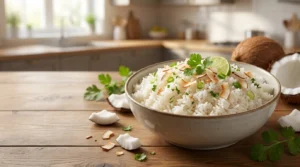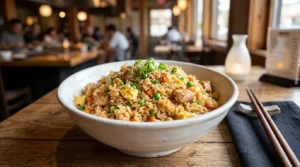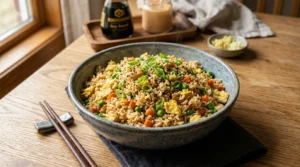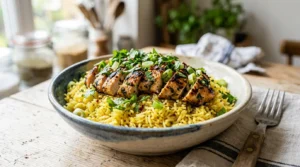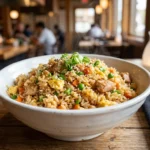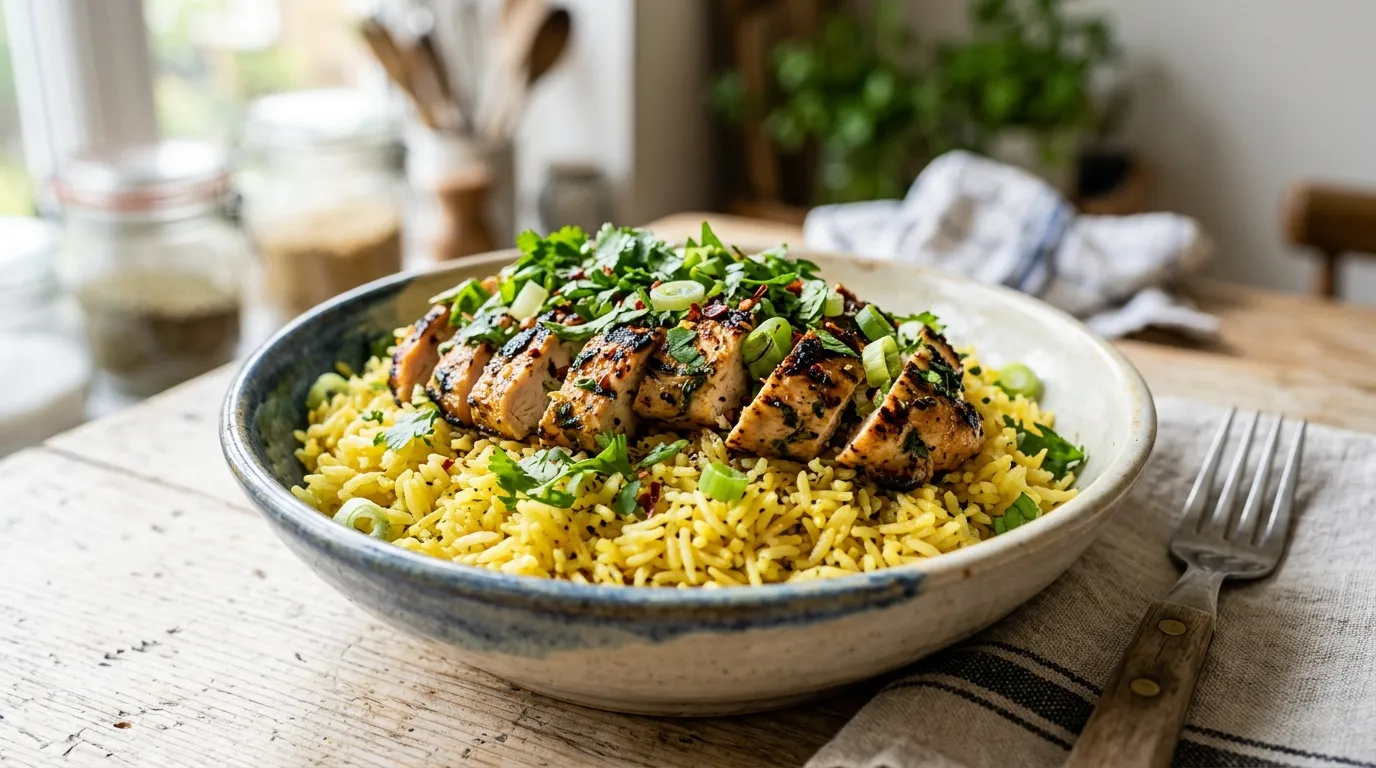
This chicken and rice recipe combines juicy, seasoned chicken with fluffy, savory rice in one comforting meal. It’s easy, affordable, and perfect for busy weeknights, family dinners, and beginner home cooks.
If there’s one dinner I’ve made more times than I can count, it’s chicken and rice. I still remember one of my early attempts: I cooked everything together, added too much broth, and ended up with rice that was closer to porridge than the fluffy dinner I wanted. The chicken was fine, but the rice needed serious help.
After plenty of testing, I learned that a few small details make a huge difference. Searing the chicken first builds flavor, toasting the rice keeps it from tasting flat, and using the right amount of broth gives you tender grains instead of mush. This chicken and rice recipe has become one of my favorite family meals because it uses everyday ingredients but tastes like you spent much longer in the kitchen. Let’s make it the right way.
Why You’ll Love This Chicken and Rice Recipe
- One-pan convenience: Chicken, rice, and vegetables cook together, so cleanup is minimal.
- Big flavor from simple ingredients: Browning the chicken and sautéing the aromatics creates a flavorful base.
- Budget-friendly: Rice and chicken are inexpensive staples that can feed the whole family.
- Beginner-friendly: You don’t need complicated cooking techniques or special equipment.
- Perfect for busy nights: Most of the work is done in one skillet.
- Easy to customize: Add vegetables, spices, or different cuts of chicken to make it your own.
Chicken and Rice Recipe Ingredients
Chicken
1½ pounds boneless, skinless chicken thighs, cut into bite-size pieces
Chicken thighs stay juicy and flavorful during cooking. You can substitute boneless chicken breasts, but avoid overcooking them because they are leaner.
Rice
1½ cups long-grain white rice
Long-grain rice produces separate, fluffy grains. Jasmine rice also works beautifully and adds a subtle aroma.
Tip: Avoid instant or quick-cooking rice unless the package specifically gives instructions for using it in one-pot dishes.
Vegetables
1 medium onion, diced
Adds sweetness and savory depth.
2 cloves garlic, minced
Fresh garlic gives the dish a stronger aroma and richer flavor.
1 medium carrot, diced
Adds natural sweetness and color.
½ cup frozen peas
They go in near the end so they stay bright and don’t become mushy.
Cooking Liquid
3 cups low-sodium chicken broth
Chicken broth gives the rice much more flavor than plain water. Low-sodium broth also gives you better control over the final saltiness.
Seasonings
- 1 teaspoon paprika
- 1 teaspoon Italian seasoning
- ½ teaspoon black pepper
- 1 teaspoon salt, divided
- ½ teaspoon garlic powder
- 2 tablespoons olive oil
Optional: Add a pinch of red pepper flakes if you enjoy some heat.
Fresh Finish
2 tablespoons chopped fresh parsley
A squeeze of fresh lemon juice is also excellent if you want a brighter flavor.
Kitchen Tools You’ll Need
- Large deep skillet or Dutch oven
- Sharp knife
- Cutting board
- Wooden spoon or spatula
- Measuring cups and spoons
- Tight-fitting lid
A heavy-bottomed skillet is ideal because it distributes heat evenly and helps prevent the rice from scorching.
How to Make Chicken and Rice
Step 1: Season the Chicken
Pat the chicken dry with paper towels. Toss it with paprika, garlic powder, black pepper, and about half of the salt.
Why it matters: Dry chicken browns better, while seasoning before cooking builds flavor directly into the meat.
Don’t skip this step or put wet chicken straight into the pan. Excess moisture can cause the chicken to steam instead of developing a golden crust.
Step 2: Sear the Chicken
Heat the olive oil in a large skillet over medium-high heat. Add the chicken in a single layer and cook for about 3–4 minutes per side, or until nicely browned.
The chicken doesn’t need to be completely cooked at this stage.
Chef’s tip: Don’t constantly move the chicken around. Let it sit against the hot pan long enough to develop a golden-brown surface.
Transfer the chicken to a plate.
Step 3: Sauté the Aromatics
Reduce the heat to medium and add the diced onion and carrot to the same skillet.
Cook for about 3 minutes, scraping up the browned bits from the bottom of the pan. Add the garlic and cook for another 30 seconds.
You should smell a rich, savory garlic-and-onion aroma.
Avoid: Burning the garlic. It only needs a short time in the hot pan.
Step 4: Toast the Rice
Add the uncooked rice and Italian seasoning to the skillet.
Stir continuously for about 1–2 minutes.
The rice should become lightly coated with the flavorful oil and aromatics.
Why it matters: Lightly toasting the rice gives it a deeper, nuttier flavor and helps prevent a bland finished dish.
Step 5: Add the Chicken Broth
Pour in the chicken broth and add the remaining salt.
Stir once, making sure the rice is evenly distributed across the pan.
Bring the mixture to a gentle boil.
Chef’s tip: Taste the broth before covering the pan. It should taste pleasantly seasoned. If it tastes completely flat, the finished rice will too.
Step 6: Return the Chicken
Nestle the browned chicken pieces back into the rice.
Add any juices that collected on the plate.
Bring everything back to a gentle simmer, then reduce the heat to low.
Step 7: Cook Until Tender
Cover the skillet tightly and cook for approximately 18–20 minutes.
Do not keep lifting the lid.
The trapped steam is essential for cooking the rice evenly. Opening the lid repeatedly allows steam to escape and can leave you with undercooked rice.
When finished, the rice should be tender and fluffy, and the chicken should reach an internal temperature of 165°F (74°C).
Step 8: Rest and Serve
Turn off the heat and leave the skillet covered for 5–10 minutes.
Then remove the lid and gently fluff the rice with a fork.
Stir in the frozen peas and let the residual heat warm them through for a few minutes.
Finish with fresh parsley and, if desired, a squeeze of lemon juice.
Don’t aggressively stir the rice. Gentle fluffing keeps the grains intact.
Chef’s Tips for the Best Chicken and Rice Recipe
Use the Right Rice
Long-grain white rice is my first choice because it stays fluffy instead of becoming overly sticky. Jasmine rice is another excellent option.
Don’t Skip Searing the Chicken
That golden crust isn’t just for appearance. The browned bits left in the skillet become part of the flavor base for the rice.
Keep the Lid Closed
This is one of the most important rules for one-pot rice. The steam trapped under the lid helps the rice cook properly.
Let the Rice Rest
A short resting period allows moisture to redistribute through the rice. It also makes the final texture noticeably fluffier.
Check the Chicken Temperature
Don’t rely only on appearance. Use an instant-read thermometer and make sure the thickest piece reaches 165°F.
Common Chicken and Rice Mistakes
| Mistake | Why It Happens | How to Fix It |
| Mushy rice | Too much liquid or overcooking | Measure broth carefully and follow the cooking time |
| Dry chicken | Breast meat is overcooked | Use thighs or remove chicken as soon as it reaches 165°F |
| Burned rice | Heat is too high | Reduce to low once the broth begins simmering |
| Bland flavor | Every ingredient wasn’t properly seasoned | Season the chicken, aromatics, and broth |
| Undercooked rice | Steam escaped during cooking | Keep the lid tightly closed |
Chicken and Rice Recipe Variations
One-Pot Chicken and Rice
Keep the recipe exactly as written for a simple one-pan dinner. Chicken thighs work particularly well because they stay tender while the rice cooks.
Healthy Chicken and Rice
Use skinless chicken breast, brown rice, extra vegetables, and low-sodium chicken broth. Keep in mind that brown rice generally requires more liquid and a longer cooking time, so follow the rice package’s cooking guidance.
Creamy Chicken and Rice
Stir in a small amount of cream cheese or heavy cream after the rice is cooked. Add it gradually so the sauce stays smooth rather than becoming overly thick.
Spicy Chicken and Rice
Add ½–1 teaspoon of red pepper flakes or a diced jalapeño with the onions. A little hot sauce at the table works well too.
Vegetable Chicken and Rice
Add chopped bell peppers, mushrooms, broccoli, or spinach. For firmer vegetables, add them according to their cooking time rather than putting everything into the skillet at once.
What to Serve With Chicken and Rice
This meal is filling enough to serve on its own, but a simple side can turn it into a complete family dinner.
Try it with:
- Green salad with a light vinaigrette
- Roasted broccoli for extra vegetables
- Steamed green beans for a quick side
- Garlic bread if you want something hearty
- Cucumber salad for a cool, fresh contrast
- Roasted carrots for a naturally sweet side
For a lighter finish, fresh fruit or a small serving of lemon sorbet works nicely.
Storage and Reheating
Refrigerator Storage
Let the chicken and rice cool slightly, then transfer it to airtight containers.
Refrigerate within two hours of cooking and use within 3–4 days.
Freezer Storage
Portion completely cooled chicken and rice into freezer-safe containers.
Freeze for up to 2–3 months for the best quality.
Best Reheating Method
For the microwave, add a tablespoon of water or broth to each serving and cover loosely. Heat until steaming hot throughout.
For the stovetop, place the rice in a skillet with a splash of broth or water. Cover and heat over medium-low heat, stirring occasionally.
Meal-prep tip: Divide the recipe into individual portions immediately after cooling. You’ll have easy lunches ready to reheat throughout the week.
Chicken and Rice Nutrition
Approximate nutrition per serving:
| Nutrient | Amount |
| Calories | 485 |
| Protein | 34g |
| Carbohydrates | 52g |
| Fat | 15g |
| Fiber | 3g |
Nutrition information is an estimate and can vary depending on the chicken cut, broth, oil, serving size, and other ingredients used.
Frequently Asked Questions About Chicken and Rice Recipe
What is the best rice for chicken and rice?
Long-grain white rice and jasmine rice are excellent choices. They cook into fluffy grains and work particularly well in a one-pot chicken and rice recipe.
Can I use chicken breasts instead of thighs?
Yes. Chicken breasts work well, but they’re leaner and can dry out more easily. Cut them into evenly sized pieces and cook until they reach 165°F.
Should I rinse the rice before making chicken and rice?
Rinsing removes some surface starch and can produce fluffier rice. Drain it thoroughly before adding it to the skillet so you don’t accidentally add extra water.
Why is my chicken and rice mushy?
The most common causes are too much liquid, overcooking, or repeatedly stirring the rice. Measure your broth carefully and keep the lid closed while the rice cooks.
Can I make chicken and rice ahead of time?
Yes. It is an excellent meal-prep dish. Store cooked portions in airtight containers in the refrigerator and reheat them thoroughly before serving.
Conclusion
This chicken and rice recipe proves that you don’t need expensive ingredients or complicated techniques to make a satisfying family dinner. The key is simple: brown the chicken, build flavor with the aromatics, use the right amount of broth, and let the rice cook undisturbed.
Those little steps make a big difference. And thankfully, I never again have to serve the rice porridge I made during my first attempt! Give this recipe a try on your next busy weeknight, and I hope your family enjoys it as much as mine does.

I am Eliaz ,a professional cook and food writer with over 10 years of experience in the kitchen. I have worked with a wide range of rice dishes and cooking styles, and I enjoy sharing the techniques and practical lessons I have learned through years of cooking.